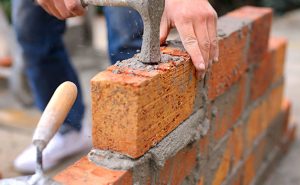
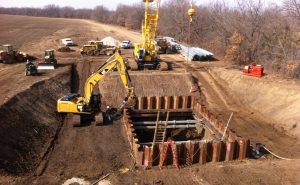
Before a wall goes up or a slab is poured, the project is decided by what happens below ground. Proper excavation is not just “digging a hole.” It sets depth, width, and shape so the base can carry loads for years. A few inches off can mean uneven floors, cracked concrete, or drains that never flow right.
- Correct depth helps protect footings from frost movement.
- Clean, square cuts make forms and rebar easier to place.
- Planned spoil areas keep access clear for trucks.
When the ground is prepared the right way, the build starts on known conditions, and problems get found early.
Lines, Levels, and Benchmarks
Survey stakes and paint marks feel small until excavation begins. Once the bucket drops, those marks become the real edges that guide concrete, plumbing, and masonry. The goal is simple: put the cut where the plan says, at the elevation it needs, so later crews aren’t correcting the base. Crews also confirm the building is square by checking diagonals and key offsets.
- Confirm property setbacks before any mass digging.
- Verify a fixed benchmark elevation on site.
- Mark access routes so machines don’t crush stakes.
With clear references, the excavation stays consistent even when the surface changes, equipment is moving around, and stakes need resetting.
Soil Isn’t Just Dirt
Soil can change across a single lot. Clay may stand for a while, sand can run, and old fill can settle long after you build on it. That’s why test pits and field checks matter. OSHA links safe slopes to soil type; in weaker Type C soil, a simple slope can be no steeper than 1½:1 for cuts up to 20 feet deep.
- Look for loose pockets or buried debris.
- Treat unknown fill as suspect until tested.
- Watch for sand seams that bring in water.
If the base turns soft or gets disturbed, it needs rework before any concrete goes in.
Water Changes the Whole Cut
Water is a quiet problem in excavation. It softens clay, washes fine soil out of sand, and can turn a firm base into mud quickly. Even small puddles can ruin compaction and weaken bearing support. Water pressure on trench walls can also cause small slides. Plan where water will go during rain and pump-down, and route discharge so it can’t flow back.
- Shape temporary ditches so runoff stays out.
- Pump from the low point, not random spots.
- Cover stockpiles so soil doesn’t turn to slurry.
Keeping water under control protects access and helps the base stay firm for bedding, forms, and concrete.
Grade Controls Concrete and Drainage
Excavation is where “level” is proven. If the subgrade is high, the slab thickness can drop. If it’s low, crews may backfill with poor material just to catch up. Drainage is less forgiving: small grade errors add up across distance. Many plans call for a steady drain slope, often around 1/4 inch per foot on smaller lines, so the trench needs steady checking with a laser level.
- Set grade stakes at regular spacing.
- Check elevations after each pass.
- Protect the final grade from rain until bedding goes in.
When the grade is right, concrete and drains work as designed, and finished surfaces sit flatter with fewer low spots.
Compaction Turns Fill Into Support
Loose backfill is a common cause of settling under patios, driveways, and slabs. The fix is the right soil placed the right way. Many specs call for structural fill to reach about 95% of a Proctor maximum dry density, confirmed by field density tests. That target means the soil is near its tested maximum density, so it is less likely to compress later.
- Place soil in thin lifts, often 6–12 inches.
- Match the tool to the soil type.
- Control moisture; too dry or too wet won’t compact.
Testing during the work helps catch weak spots early and keeps the base stable over time.
Safety Has Clear Thresholds
Excavation safety is not optional, and the ground can fail without warning. OSHA notes that trenches 5 feet deep or more need a protective system unless the cut is in stable rock. OSHA also requires spoils and materials to be kept at least 2 feet from the edge, or held back by a retaining method. OSHA guidance also calls for a safe way out in trenches 4 feet deep or more.
- Inspect the cut after rain or vibration.
- Keep heavy equipment back from the edges.
- Provide safe exit points for workers.
OSHA reported 39 trench-collapse deaths in 2022, down to 15 in 2023.
Utilities Are Hidden Project Risks
The ground often holds more than soil. Water lines, gas mains, electric conduits, and old drains can cross a site in ways that plans don’t show. Striking a line can injure workers, damage property, and stop a job for days. Locate marks help, but depth can vary, so crossings should be confirmed before full digging. Treat the marked zone as a hand-dig area until you see the line.
- Use locate marks, then confirm with careful hand digging.
- Mark a no-dig buffer around high-risk lines.
- Expose conflicts early so reroutes happen before concrete work.
Careful locating keeps the project moving and avoids emergency repairs, fines, and rushed patchwork.
Dirt Math Protects Your Budget
Excavation costs track closely with volume. If quantities are off, you either pay for extra hauling or run short on fill at the worst time. Convert planned cuts into cubic yards: 1 cubic yard equals 27 cubic feet. That quick math supports better trucking and disposal planning. Excavated soil often expands; bulking of roughly 10–30% is common, so piles can be larger than expected.
- Break the site into sections to estimate volume.
- Separate topsoil, clay, and rock for pricing.
- Plan spoil placement so trucks load and exit smoothly.
Good numbers keep “extra dirt” from becoming an expensive surprise and help you plan equipment.
Bad Subgrade Needs Proof
Some digs reveal rock that needs breaking, while others uncover soft organics, wet pockets, or old debris that must be removed. Organics are a problem because they break down and leave voids under slabs. Proper excavation means deciding what stays and what goes, based on load needs and long-term performance. When material is weak, crews may undercut and replace it with clean stone or engineered fill, then compact and test it.
- Undercut soft spots until firm material is reached.
- Use a separator fabric when soils mix and pump under loads.
- Save photos, notes, and test results for inspections.
Proof at this stage prevents disputes later and helps the base perform under real loads.
Start Right, Finish Confident
Proper excavation supports a successful project because it controls the base conditions every trade depends on. It sets correct depth, manages water, follows grade, and creates a stable platform through compaction and checks. Done well, it reduces cracking, settling, and delays caused by surprises below grade.
- Plan the dig with a clear layout, elevations, and utility checks.
- Treat soil and water as design factors, not afterthoughts.
- Verify and document conditions while the ground is open.
If you want a project that stays solid years from now, start with an excavation that’s planned and checked. For excavation and masonry work you can count on, contact Da Brothers Masonry.