Masonry and concrete both make strong outdoor spaces, but they behave differently once rain, heat, and soil movement show up. The best choice depends on your site and how you’ll use the area, not just the finish you like. Think about loads, drainage, and how easy repairs will be in five years. A simple comparison now can save you from cracks, sinking, or slippery spots later.
- What will it hold: chairs, a grill, or a parked car?
- How does water leave the yard after a storm?
- Do you want one large surface or many smaller units?
With those answers, the material decision becomes much clearer.
How Masonry Gets Strength
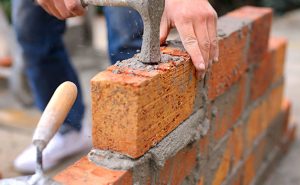
Masonry uses many units—brick, stone, or concrete pavers—set on a compacted base. A common patio build is 4–6 inches of crushed stone, about 1 inch of bedding sand, then pavers that are often around 2⅜ inches thick. Because there are joints between units, small movement is spread out instead of concentrating in one spot. Edging along the perimeter keeps the field tight and helps stop shifting.
- Loads are shared across many units and joints.
- If one piece chips, you can replace that section.
- Patterns like herringbone increase interlock for drive areas.
That modular setup is a major reason masonry stays popular outdoors.
How Concrete Becomes One Piece
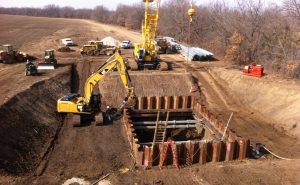
Concrete starts wet and hardens into a single slab made from cement, water, sand, and gravel. For many patios and walks, 4 inches is typical; driveways often use 5–6 inches, sometimes with steel rebar or wire mesh. Concrete gains strength over time: many mixes reach roughly 70% of rated strength in 7 days and are tested at 28 days for the full value. Joint planning matters because concrete shrinks as it cures.
- Forms set edges and slope.
- Control joints guide where cracks form.
- Finishes can be broomed, stamped, or exposed aggregate.
Concrete is often a good fit when you want a clean, continuous surface.
Comparing Load and Pressure
Both materials can handle outdoor use, but their numbers and load paths differ. Residential concrete is often specified around 3,000–4,000 psi in compressive strength. Many clay bricks test from about 3,000 up to 10,000 psi, while standard concrete blocks can reach near 1,900–3,000 psi unless reinforced. A slab spreads weight across a broad area, which helps under vehicles. Pavers spread load through units into the base, so base thickness is the key variable.
- Thin bases can settle under point loads like jack stands.
- Reinforced slabs resist bending over soft spots.
- Thick stone pavers reduce edge chipping.
Match the design to the heaviest thing that will sit there.
Cracks, Joints, and Movement
Outdoor work moves—soil settles, roots grow, and temperatures swing. Concrete will crack; the goal is to control where. Many builders place control joints so panels are roughly 8–12 feet apart and avoid long, narrow shapes. Masonry has joints everywhere, so movement is divided into small shifts. You might see a slight dip or a widened joint, but repairs can be local. For walls, footing depth matters; in cold areas, it should sit below frost depth to reduce heave.
- Concrete cracks can widen if the base settles.
- Paver joints open when edge restraints fail.
- Good compaction under either system prevents most problems.
Plan for movement instead of hoping it won’t happen.
Water Handling and Drainage
Water is often the deciding factor. Concrete sheds water, so the slab needs a planned slope, commonly about 1/8–1/4 inch per foot, to avoid puddles near doors. Masonry can drain through joints and into the stone base, which can reduce runoff. Permeable paver systems use open-graded stone below to store water and let it soak in, which can help in heavy rain. No material performs well if downspouts dump water onto the surface.
- Standing water can lead to algae and slippery patches.
- Poor drainage can cause freeze damage and heaving.
- A compacted, well-drained base protects both systems.
If you fix drainage first, the surface lasts longer and looks better.
Freeze-Thaw, Heat, and Grip
Seasonal stress shows up in different ways. In freeze-thaw areas, trapped water expands and can scale concrete or loosen pavers if the base stays wet. Air-entrained concrete—often around 5% to 8% air—helps resist freeze damage. De-icing salts can harm young concrete, especially in the first winter. Heat is also real: dark surfaces can become uncomfortable to stand on in the summer sun. Texture matters for safety on steps and wet walks.
- Choose slip-resistant finishes for high-traffic paths.
- Use proper base drainage to limit ice sheets.
- Consider lighter colors where heat is a concern.
Weather planning is as important as the material choice.
Looks, Layout, and Future Fixes
Masonry gives you many layout options because each unit is visible. Curves, borders, and inlays are built by changing the pattern, not by complex forming. If a utility line needs repair later, pavers can be lifted, the trench fixed, and the same units reset. Concrete can look sharp, too, especially with stamping or exposed aggregate, but patching often shows because color and texture rarely match perfectly. Think about how the area might change over time.
- Herringbone and basketweave create a strong interlock.
- Stamped concrete needs steady timing during finishing.
- Mixed designs, like concrete with masonry edging, can define zones.
Pick a look you’ll still like after the first stain or repair.
Installation Time and Access
Concrete can be placed quickly, but it needs curing time before full use. Foot traffic may be okay after 24–48 hours, yet heavy loads often should wait a week or more, depending on weather and mix. Masonry takes longer to install because the base is compacted in layers and each unit is set, but the area can often be used soon after joint sand is swept in and compacted. Site access can also decide the winner.
- Tight yards may block ready-mix truck chutes.
- Pavers can be staged in smaller deliveries.
- Wet subgrade soil is a major risk for paver settlement.
Choose the method that fits your schedule and your site logistics.
Cost, Care, and Lifespan
Pricing varies, but typical installed ranges help set expectations. Basic poured concrete patios often run about $6–$15 per square foot, while paver patios commonly fall near $10–$25 per square foot, driven by pattern, base depth, and unit type. Over time, maintenance differs. Concrete often benefits from sealing every 2–3 years to reduce staining, and cracks can be hard to hide. Pavers may need joint sand refreshed and occasional re-leveling, but individual repairs are simpler.
- Thicker bases cost more but reduce settling.
- Decorative concrete finishes raise labor and prices.
- Long-term value depends on drainage and base quality.
Compare lifecycle costs, not just the first bill.
Choosing What Fits Your Yard
If you want one smooth plane and accept that hairline cracks are normal, a properly sloped, well-jointed concrete slab can work well. If you prefer flexible design and easier spot repairs, masonry is often the better choice, especially where drainage is tricky or future access is likely. Either way, ask for the key specs in writing so you can compare bids fairly.
- Base depth and compaction method for pavers.
- Slab thickness, reinforcement, and joint layout for concrete.
- Drainage plan: slope direction and downspout routing.
When you’re ready to build with confidence, contact Da Brothers Masonry for an on-site discussion and clear options.