Your energy bill can feel frustrating. One month, it looks normal. Then the next month it jumps. And you didn’t do anything different. If that sounds like you, you’re not alone. Heating and cooling can use a big chunk of home energy. Almost half of the home’s energy can go to heating and cooling. So, even small changes can matter.
You can lower high energy bills without buying a new system. You just need to help your HVAC system work smarter. Also, you can fix the easy stuff first. That usually gives the fastest payoff. Below are simple steps that many homeowners can use to cut the bill.
HVAC Installation – Building the Right System from the Start
YHVAC installation is the foundation of long-term system performance. A properly installed unit ensures balanced airflow, correct load distribution, and energy efficiency from day one. The process starts with a detailed assessment of your space, including square footage, insulation level, and cooling/heating requirements. Choosing the right capacity unit is critical—an oversized system wastes energy while an undersized one struggles to maintain temperature.
Professional installation includes ductwork setup, thermostat configuration, refrigerant charging, and safety testing. Every connection must be sealed properly to avoid future leakage or efficiency loss. A precise installation reduces strain on the compressor and prevents frequent breakdowns. When done correctly, it improves indoor comfort, reduces electricity bills, and extends the lifespan of your HVAC system significantly.
HVAC System Maintenance – Preventing Problems Before They Start
A dirty filter makes your system work harder. So, it can push energy bills up. You should check your air filter every moRegular HVAC maintenance is the key to avoiding costly repairs and sudden system failure. It ensures your system runs efficiently throughout the year, especially during extreme weather conditions. Maintenance typically includes cleaning air filters, inspecting coils, checking refrigerant levels, tightening electrical connections, and testing thermostat accuracy.
Neglecting maintenance often leads to reduced airflow, higher energy consumption, and poor cooling or heating performance. Small issues like dust buildup or minor leaks can escalate into major system failures if ignored.
Maintenance Comparison Table
| Maintenance Task | Frequency | Benefit |
|---|---|---|
| Air filter cleaning | Monthly | Improves airflow & air quality |
| Coil inspection | Every 6 months | Enhances cooling efficiency |
| Refrigerant check | Yearly | Prevents system overload |
| Electrical inspection | Yearly | Reduces fire & failure risk |
Consistent maintenance ensures smooth performance, better air quality, and lower long-term repair costs.
HVAC System Repair – Fixing Issues with Precision
HVAC repair becomes necessary when the system shows signs of malfunction such as uneven cooling, strange noises, water leakage, or rising energy bills. The repair process starts with accurate diagnosis to identify the root cause instead of just treating symptoms. Common issues include faulty compressors, clogged filters, thermostat failures, or refrigerant leaks.
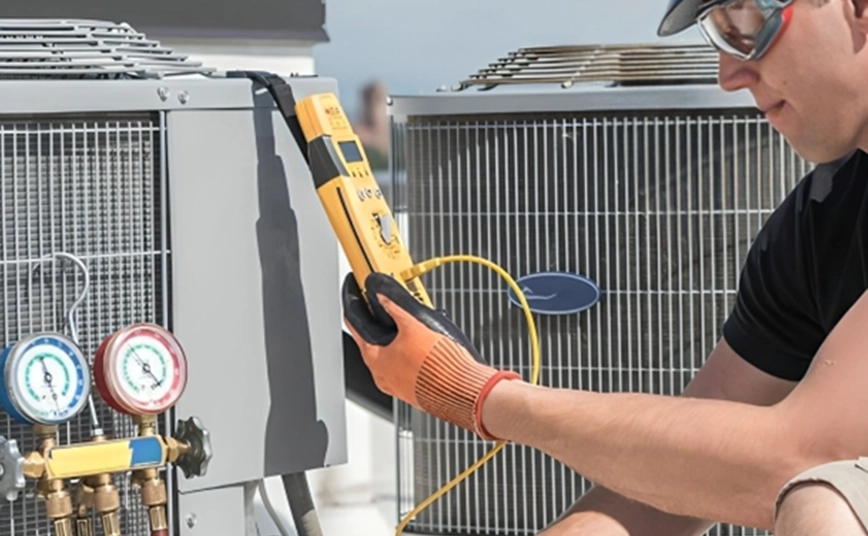
Timely repair is crucial because delaying small issues can lead to complete system breakdown. Professional technicians use diagnostic tools to test airflow pressure, electrical continuity, and refrigerant levels before performing repairs.
Quality repair work restores system efficiency and prevents repeated failures. It also ensures safety, especially when dealing with electrical components or gas-based heating systems. A well-repaired HVAC system can perform almost like new when maintained properly afterward.
HVAC System Replacement – Upgrading for Better Efficiency
HVAC replacement is necessary when the system becomes too old, inefficient, or frequently breaks down. Most systems have a lifespan of 10–15 years, after which performance declines significantly. Constant repairs, high energy bills, and poor temperature control are clear indicators that replacement is a better option than continued repair.
Modern HVAC systems are far more energy-efficient and environmentally friendly. They offer better temperature control, smart thermostat compatibility, and reduced electricity consumption. During replacement, professionals remove the old unit, upgrade duct connections if needed, and install a new system optimized for your space.
Replacing an outdated system not only improves comfort but also increases property value. It is a long-term investment that reduces maintenance costs and ensures reliable performance for years.
Conclusion
plan that fits yourHVAC systems require proper attention throughout their lifecycle—from installation to maintenance, repair, and eventual replacement. Each stage plays a crucial role in ensuring comfort, efficiency, and durability. Ignoring small issues or skipping maintenance often leads to expensive repairs or early system failure. On the other hand, professional handling at every stage ensures smooth operation, better air quality, and lower energy costs. Whether you are installing a new system or upgrading an old one, investing in quality HVAC services guarantees long-term comfort and peace of mind for your home or business. home.