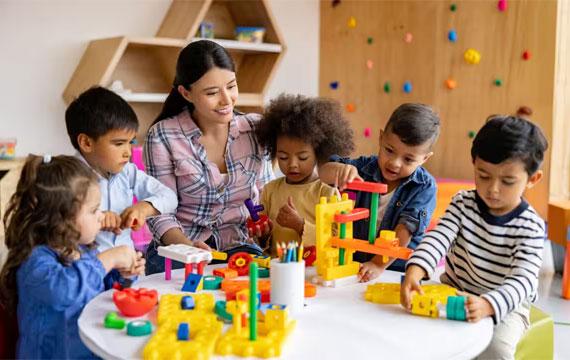
Young children can look calm one minute and fall apart the next. That swing is normal. Their brains are still learning how to handle big feelings, so they borrow calm from the adults around them. Routine helps because it makes the day easier to predict. When a child can guess what comes next, their body is less likely to stay on alert for surprises. That leaves more energy for play, learning, and connection. Routine also helps grown-ups respond in a steady way, even on busy days. It doesn’t need strict timing; it can be the same order most days. You can start small with moments like meals, cleanup, and bedtime. Over time, children trust the pattern and feel steadier.
Predictable Days Calm The Body’s Stress System
Children have a built-in stress system that turns on when something feels uncertain or unsafe. When it switches on, the body gets ready to fight, flee, or freeze. You might see running around, yelling, clinging, or going quiet. Part of this response involves stress chemicals like cortisol and adrenaline. In small bursts, they help a child react. When they stay high, kids have a harder time listening, problem-solving, and settling. A predictable routine sends the opposite signal: “This is familiar.” Familiar patterns support the body’s calm-down system, so it becomes easier for children to return to steady breathing and calmer behavior.
Signs routine is supporting calm:
- Your child recovers faster after disappointment
- Drop-offs and pickups improve over time
- Fewer “out of nowhere” outbursts during daily tasks
Routines Build Self-Control One Small Step Daily
Self-control is a skill that grows through practice. Routine gives practice without long talks. When the steps are familiar, children can focus on one small job: put shoes in the same spot, wash hands before meals, carry a cup to the sink, or put a toy back on a shelf. These repeats strengthen executive function, the brain skills used for attention, memory, and stopping an impulse. In simple terms, routine trains the brain to “remember the next step” and “pause before reacting.” It also reduces decision stress, because children are not guessing what comes next. When you notice effort—“You hung up your coat”—kids learn that steady habits matter. Even small routines, like packing a lunch or setting out pajamas, build confidence over time.
A simple script that helps
Say the same short line each time: “First we wash, then we eat.”
Meals And Sleep Shape Mood More Than You Think
Hunger and tiredness are common reasons young children melt down. When the body needs food, patience drops. When sleep is off, the brain’s emotional brakes work poorly, so a small problem can feel huge. Routine supports both. Regular meal and snack times keep energy steadier through the day. Pairing a carb with protein or healthy fats can help kids stay full longer, and water supports focus, too. A consistent bedtime routine supports the circadian rhythm, the internal clock that guides sleep and alertness. If bedtime shifts often, children may struggle to fall asleep, wake more at night, or wake up cranky. A calmer day often starts with a steadier night.
Bedtime cues that often help
- Dim lights and lower voices before bed
- Keep the last steps in the same order
- Put screens away close to bedtime
Transitions Feel Lighter When Children Know What’s Next
Many big reactions happen between activities, not during them. The shift from play to cleanup, from home to daycare, or from outside to inside can feel like a loss of control. Routine makes transitions expected, not sudden. Two tools help: previewing and small jobs. Previewing means you say what will happen next in short, clear words. Small jobs give a child a role, which can reduce resistance and build cooperation. Give a warning, then follow through. A timer, a short song, or counting down can make the ending feel fair. When you can, offer two choices you can accept, like “walk or hop to the bathroom.” Children handle change better when they feel seen and guided.
Transition phrases that work
- “Two more minutes, then we clean up.”
- “First shoes, then we go outside.”
- “I’ll help you start, then you finish.”
Simple Rituals Teach Feelings, Words, And Coping Skills
Routine is also made up of small rituals that repeat in the same way. These rituals create a natural space for emotional learning. A quick “feelings check” at breakfast or at pickup helps children name what is happening inside. Naming feelings matters because it brings thinking parts of the brain online, which supports self-control. Keep the words basic: happy, sad, mad, scared, tired. Adults can model it: “I feel frustrated, so I’m taking a slow breath.” Then guide your child to try a tool while you stay close. Over time, children start to copy your calm-down steps. That is how co-regulation slowly turns into self-regulation.
Easy coping tools to practice
- Belly breathing with a hand on the tummy
- Squeezing playdough or a soft ball
- Counting slowly to five with an adult
- A quiet corner with books and a stuffed animal
Home And Daycare Routines Work Better Together
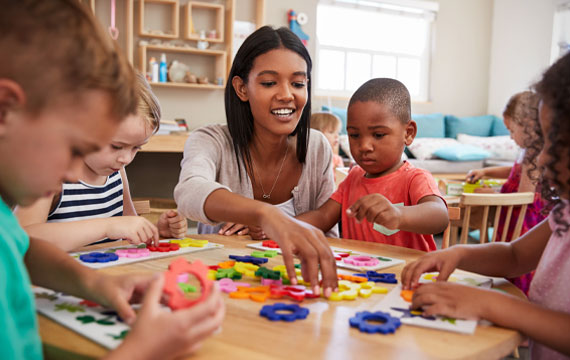
Children settle faster when home and childcare share a similar rhythm for key parts of the day. Home does not need to match a classroom, but consistent signals help: how goodbyes happen, when snacks usually come, and what happens after pickup. A steady goodbye is often the biggest help. One hug, one phrase, one handoff to a trusted adult can reduce drawn-out stress. After pickup, some children need a short reset before talking, like a snack and quiet play. Montessori ideas can support this flow, too, such as keeping items in the same place and letting children do small life skills with child-sized tools.
Little Einsteins Montessori and Daycare LLC offers Private, licensed, home-based Montessori daycare and early childhood education center, and families often find that a consistent daily flow supports calmer days.
A Gentle Routine Plan You Can Start Now
If routine feels hard to build, start small. Pick two parts of the day where emotions run high and create a short sequence you can repeat most days. Write it down and keep your words the same. This is not about being strict; it is about being clear. If one step keeps failing, make it smaller, not harsher. After a week or two, add one new step. Small wins stack up.
Morning mini-plan
- Wake up, bathroom, get dressed
- Breakfast, brush teeth, shoes on
- One goodbye ritual at the door
After-pickup mini-plan
- Snack and water first
- Ten minutes of quiet play or reading
- One question about the day
Evening mini-plan
- Dinner, tidy together, wash-up
- Story, lights low, one goodnight phrase
When life changes, keep the first step the same if you can. That first step gives your child something familiar to hold onto.
Conclusion Routine supports emotional balance because it lowers stress, builds self-control, and makes daily life easier to predict. When children know what usually happens, they spend less energy worrying and more energy learning and connecting. Start with one small routine, repeat it, and adjust only one step at a time. If you want help from a Montessori setting with a warm daily rhythm, contact Little Einsteins Montessori and Daycare LLC today. Call or message to ask about openings and schedule a visit.