
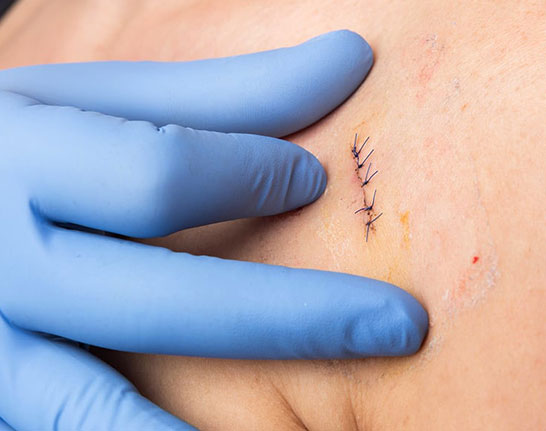
Scar revision is not a cosmetic decision—it’s a medical one. I work with clients who need clinically structured approaches to improving scars caused by surgery, trauma, or burns. These aren’t one-size-fits-all treatments. Miriam N Brows offers the best paramedical scar reduction services in San Fernando Valley CA, that are based on skin biology, wound behavior, and medical safety. Each protocol is chosen based on the structure and age of the scar—not just how it looks on the surface.
Here are a few ways I carry out paramedical scar reduction services in San Fernando Valley CA:
These are just some of the ways I offer the best paramedical scar reduction service in San Fernando Valley. My treatments are built around real clinical reasoning—not surface-level solutions.
Many scars need advanced methods to improve movement, color, or skin texture. When a scar is stiff or raised, I often start with dry tattooing (also called MCA scar relaxation), one of the main features of my best paramedical scar reduction services in San Fernando Valley CA. This uses needle stimulation without pigment to break down rigid tissue, helping the area soften naturally over time. If the scar is pale or lacking pigment, I use paramedical micropigmentation. This allows me to color-match your natural skin tone and implant pigment into the affected area, helping reduce contrast and visual disruption.
Scar massage and lymphatic drainage are also part of my process, especially when working with fibrotic buildup that limits flexibility. These methods improve skin pliability and reduce the risk of retraction in the surrounding area. For deeper interventions, I use fractional radiofrequency or fractional CO₂ technologies—only if medically cleared for your condition. And when a gentler method is needed, I rely on low-level light therapy (LLLT) to stimulate cell turnover and calm inflammation. My paramedical scar reduction services in San Fernando Valley are never random—they’re selected based on what your skin can tolerate and what the scar actually needs.

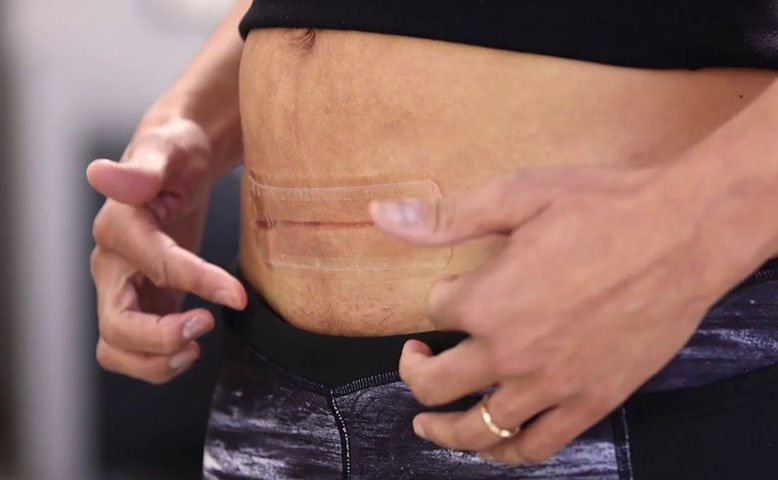
My approach isn’t about single sessions. It’s about monitored improvement that respects how your skin heals. Before providing paramedical scar reduction services in San Fernando Valley CA, I evaluate your scar’s behavior, your medical background, and healing patterns. This is the only way to set real expectations and design safe, effective sessions.
Here’s what I include to track and support your progress:
This approach supports long-term healing and helps me adjust treatments based on how your skin responds. Whether you’re dealing with a new scar or something that’s bothered you for years, I offer paramedical scar reduction service in San Fernando Valley that’s grounded in realism, structure, and consistency.

I work with scars that have been reopened due to stress, infection, or delayed healing. My protocols focus on stabilization first—then carefully move toward texture improvement, without rushing the process.

I understand that some scars hold physical sensitivity from old trauma. I adjust my approach to reduce overstimulation and help the skin tolerate new corrective work over time.
I often see clients after laser damage, poor microneedling, or DIY scar treatments. I focus on restoring skin stability first—so progress isn’t just safe, it’s finally possible.
I usually wait until the skin is fully closed and no longer sensitive or inflamed. Starting too early can interrupt natural healing, so I assess the scar first before moving into corrective work.
I can work on scars caused by scratching, chronic breakouts, or repeated irritation. These scars often need careful handling because the skin has been stressed for years, and I adjust the method to avoid overstimulating the area.
I guide you through simple steps like avoiding friction, keeping the area moisturized, and following any product instructions I give you. These small choices help the scar respond better during each session.
I see that areas like the chest, shoulders, and upper arms tend to form thicker scars. I adjust my technique based on how each region heals so the treatment matches the scar’s behavior.